
You get scored, not complimented
Recorded and graded in week 1, week 6 and week 12 on the same sheet. So you can watch yourself get better.
Nobody ever taught you how to lead in a room. Twelve weeks, live, to fix that. Think clearly under pressure, structure what you want to say, and get it across.
Fluent English not required.
Where our students work at
Your work happens at your desk. Your career happens in rooms.

Every step of your career runs through a conversation. Nobody trained you for a single one of them.
That’s exactly why we built this.
A live online cohort for senior professionals, founders and leaders where you build structured thinking, clarity under pressure and the executive presence that decides how you are read, practising on your own high-stakes conversations and getting feedback that names exactly what to change, until leadership presence stops being something you read about and becomes something you do.
Recorded and graded in week 1, week 6 and week 12 on the same sheet. So you can watch yourself get better.

The same four people, twice a week, for twelve weeks. Nowhere to hide.

Every assignment is something happening in your week. The proposal you have to land, or the conversation you have been avoiding.

Twelve submissions, twelve sets of notes naming exactly what to fix. Plain language, nothing to decode.
About five hours, built around a full time job.
Live sessions with specialists across Saturday and Sunday. Teaching first, then you on your feet using it while it is still fresh.
Forty five minutes with your group of four, run off a structured feedback card so it never turns into polite applause.
You use it on something real at work and record it. Your work goes up, and you get personal feedback naming exactly what to change before the next week starts.
Every one of them taught live, practised weekly, and built around the rooms you are already in.
Get the point out first and the support after. Most communication problems are unstructured thinking wearing a disguise.
Say it once, clearly, to four people or four hundred, without the four minute run up.
How you sound and how you stand decide whether the same sentence gets believed.
Turn your own experience into stories that land, and narrate data so the room remembers the change and not the number.
Getting a yes from stakeholders who don’t report to you, and holding it when they push back.
The conversation you have been avoiding, the disagreement upward, and the room that ends in a decision.
The full syllabus, in public. Every week has one live session, two practice labs and one assignment taken from your own work.
Why capable professionals go quiet in the rooms that matter, and the fear mechanics behind it. You record a two minute introduction as your baseline and sit for a one to one call that maps the three rooms you want changed by week twelve.
Structured thinking as the root skill. Frameworks that turn a messy thought into a clear answer in sixty seconds, and hold that answer when someone interrupts.
Pace, pause, posture and eye contact, plus executive presence on the video calls where most of your career now happens. You re-record your week one introduction and watch the difference.
The psychology of storytelling applied to business, and how to turn your own experience into story capital you can use in a pitch, a panel or a one to one.
Claim, evidence, concession, ask. Influence without authority, and how to pre-wire a room before you walk into it. You pitch a real idea from your workplace while your group plays the sceptical panel.
The daily arena. Status updates that build your standing, speaking up early, running meetings people thank you for, and recovering after an interruption. Plus written and async communication that reads senior.
The number is not the point, the change is. Slide narration, one chart one message, and hostile questions handled with composure. The questions come from mentors, not peers, because peers go easy.
Feedback that lands, and feedback received without armour. Disagreeing upward safely, negotiating, and staying composed when the stakes are visible to everyone. A one to one checkpoint locks your final talk topic.
Interview narratives built off the story bank from week four. Appraisal and salary conversations argued on evidence instead of hope. A twenty minute mock panel, recorded and graded.
Communicating vision and expectations. Delegation that empowers instead of dumps. Leading without authority, and running the rooms you used to sit silent in.
Openings that earn attention and closings that stick. Two separate rehearsal passes, a table read where the notes are only about structure, then a dress rehearsal where the notes are only about delivery. Mixing the two is why most rehearsals fail.
Your five to seven minute talk on a real topic from your own work, delivered to a panel and your cohort. Your third and final score on the same scorecard.

Years of expertise. Time the room knew about it.

You were promoted for the work. The job is now mostly talking.

You sell the vision every day, to investors, to clients and to the people you are trying to hire.

Your best thinking should not stop at the India call.
If you want a certificate rather than a change, if you cannot make the live sessions, or if you would rather watch than speak, this will frustrate you. Every applicant is interviewed and we say no often. Seats are capped at forty so the practice groups stay at four.
Here is what that change looks like in practice.
Answer first, evidence after. The clarity to articulate a position in one breath instead of a four minute run up while the room drifts.
Speak up early, carry executive presence on the global call and in the room, and recover after an interruption instead of losing the thread.
Build the case, pre-wire your stakeholders, and hold your position with conviction when the pushback starts.
Composure in high-stakes questioning, and the judgement to say I don’t know without losing credibility.
Give feedback that lands, disagree upward without losing trust, and finish the conversation you have been rehearsing for a month.
Your appraisal, your next offer, and the resources your team needs, argued on evidence and negotiated instead of hoped for.





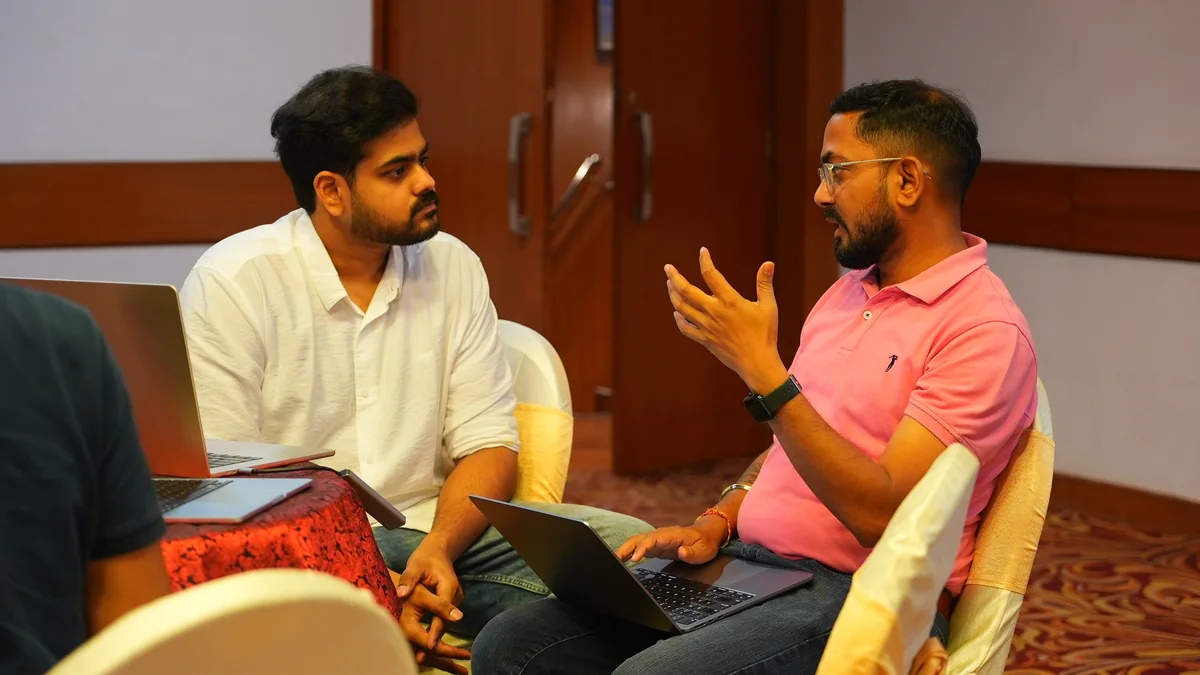 Offline meetups
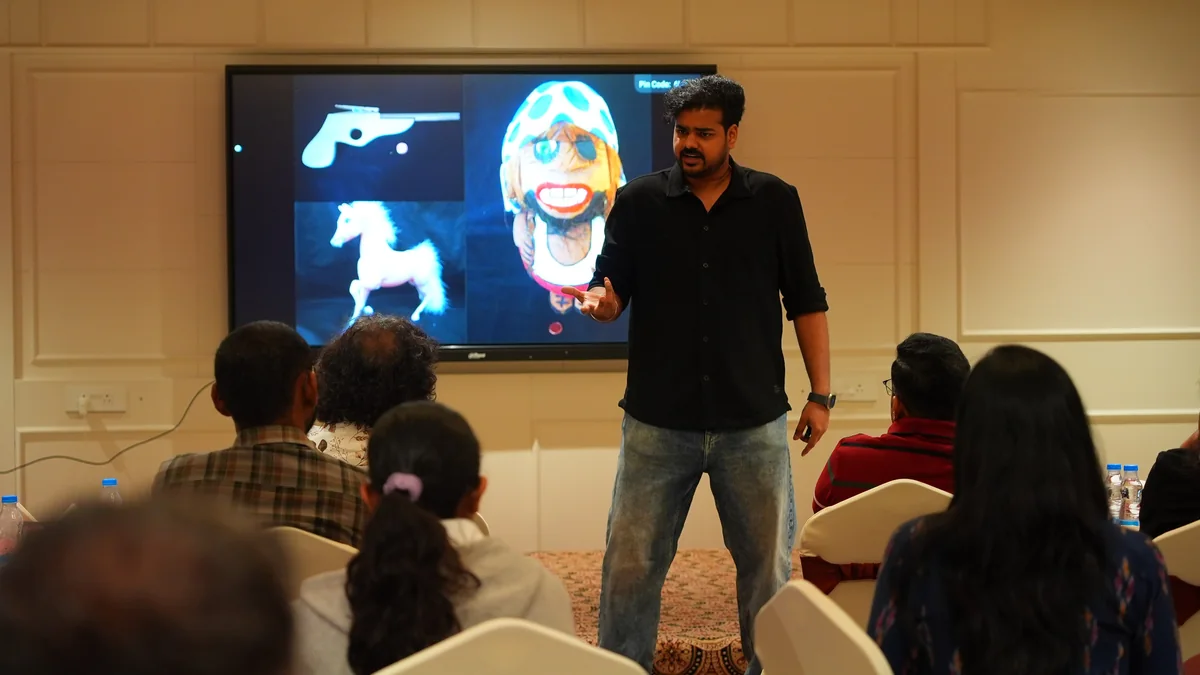 Live workshops
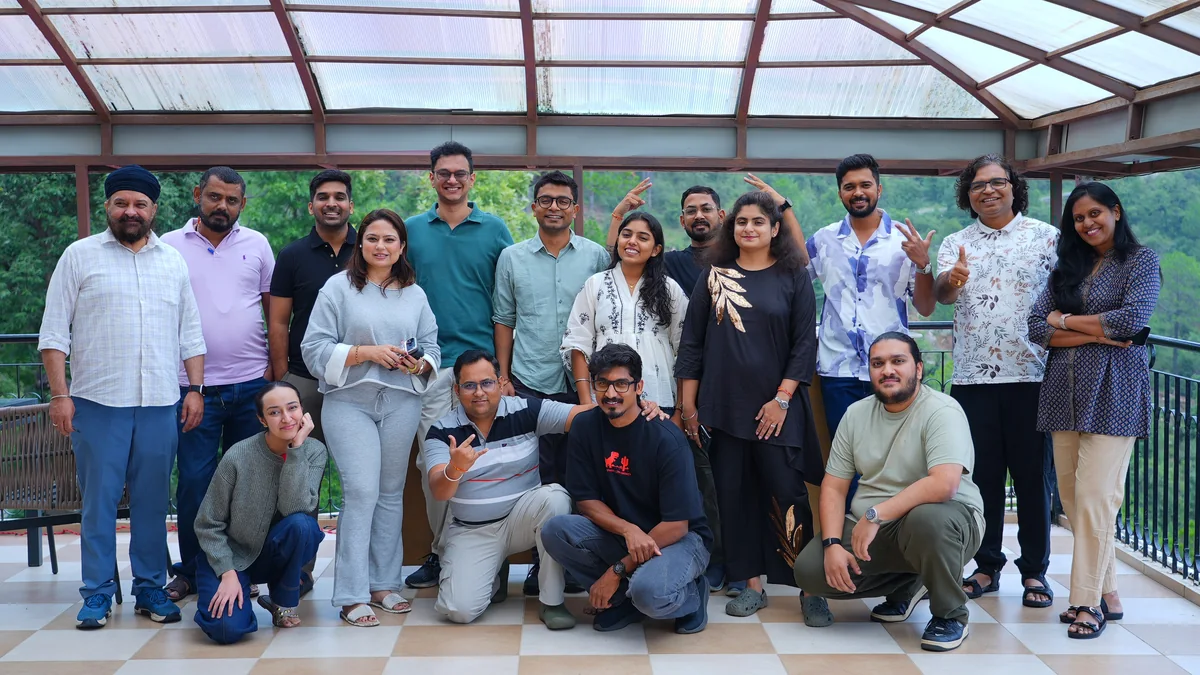 Alumni meetups
 Active online channels
The biggest takeaway? You don’t need to become someone else to grow. You need to become clearer about who you already are. Direction instead of noise. Community instead of comparison. I walked in with questions. I walked out with conviction.
Having attended your workshop, I can genuinely say it was a transformative experience. The way of communication and the teaching style is very good.
A great experience overall. The community was honestly one of the best parts, everyone was so supportive and fun to be around. The insights from the mentors were valuable and made the whole journey inspiring.
The workshop was amazing. Great instructors, and the reference-based approach made the learning come alive.
A perfectly planned programme. Good atmosphere to learn and apply it live. Hands-on experience and great guidance. A lovely opportunity to meet people who have the same drive as yours and get connected. Must-have experience.
I came in with a single thought in mind, that I would gain more knowledge than I already have. Turns out I was wrong. I not only got the knowledge, I made friends who helped me make my dream come true.
I loved everything. The topic, the pace, the content on screen, the knowledge of the trainer, and the simple way of addressing the subject.
The overall experience was amazing. I found my team and made some new best friends. I gained confidence, and I learnt the theory as well as the practical.
It was such a great experience. I truly enjoyed every bit of it. I made new friends and learned so many new things. The programme was really motivating and gave me a more technical and structured approach.
The way the class was structured was beautiful. As Rahul kept reiterating, it is not the story, it is the storyteller. Look forward to learning from and contributing to the community.
I loved that the cohort was diverse, a mix of newcomers, emerging talent and a few industry professionals. The setting, people, content, mentorship and the time management stood out for me.
Loved the people, loved the process. Overall perfect for people struggling to just go for it.
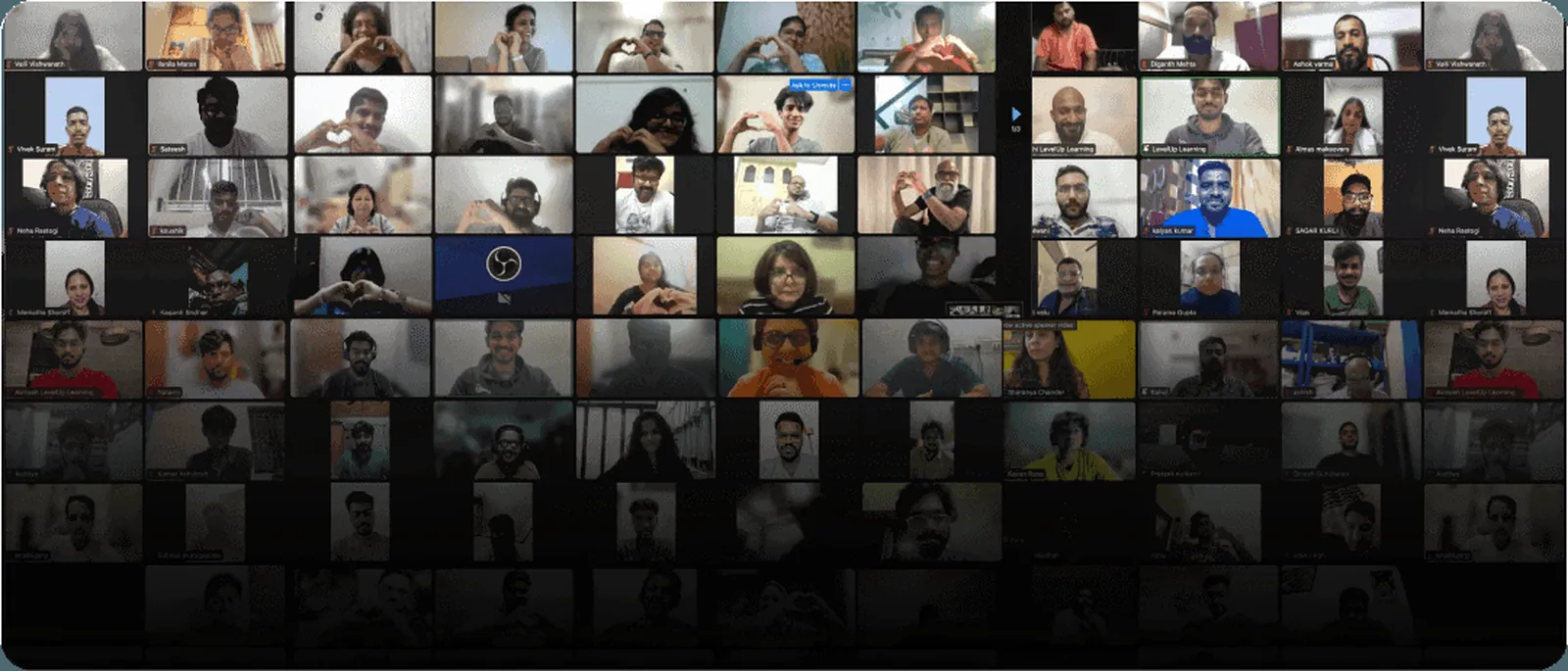
Not everyone gets in. That’s the point. The cohort works because everyone in it chose the same twelve weeks you did.
Speaking doesn’t improve on 2x playback. It improves in front of people. Every session is live and every session puts you on your feet. If you want something you can watch on a commute, this is the wrong programme and we would rather you knew that now.
It is built for one. A two-hour session on Saturday, two 45-minute practice labs on weekday evenings, one assignment, and a short pre-watch before Saturday. Roughly five hours a week. Sundays are deliberately left alone.
Every session that matters is live. There is a fifteen-minute recorded lesson before each Saturday so that the theory is out of the way and the live time can be spent with you on your feet rather than watching a slide. No lecture is ever the deliverable.
So does most of the room in week one. On-camera work starts in week three inside a group of four, long before anything is public. The week 12 talk is the end of a twelve-week ramp, not the start of one.
No training experience, no. But you do need about five years of working life and real rooms to practise on. Every assignment maps to something live in your job, so a fresher would have nothing to bring to the exercises.
The programme is built around showing up live. Miss one and your practice group plus the weekly assignment keep you moving. Miss several and the certificate and refund guarantee conditions will not be met.
Specialists rather than generalists: a structured-thinking practitioner from a consulting background, a voice and presence practitioner from theatre or broadcast, a credentialed executive coach, and a senior operator who has sat on the other side of promotion panels. Named faculty will be published on this page before applications close for the founding cohort.
Forty seats, ten practice groups of four. The cap is arithmetic, not scarcity marketing: past this the Saturday practice minutes get diluted, the written feedback degrades into templates, and the one-to-one calls quietly stop happening.
Yes, fully. It exists to filter out the casual, not to make money.
Yes. No-cost EMI and staged payment plans are available.
We will not claim that, and you should be sceptical of anyone who does. Your promotion depends on your organisation, your timing and your work. What we can promise is that you will be measured three times on the same scorecard, you will get the tape, and you will see for yourself what changed.
Applications are open now. Dates are confirmed during your interview call.
A short application. A fifteen-minute interview. Then twelve weeks that change how every meeting, pitch and appraisal goes for the rest of your career.
Request Invite → Every applicant is interviewed. We say no often.